PCOS vs. PCOD: What's the Real Difference?
In today's fast-paced world, women face many health challenges, and among the most common are PCOS (Polycystic Ovary Syndrome) and PCOD (Polycystic Ovarian Disease). Though these two terms are often used interchangeably, they are not exactly the same. Let's break it down in a simple, friendly way — because your health should never be confusing!
What is PCOD?
Polycystic Ovarian Disease (PCOD) is a condition where the ovaries release a lot of immature or partially mature eggs, which over time turn into cysts. This happens because of hormonal imbalances — usually an increase in male hormones (androgens).
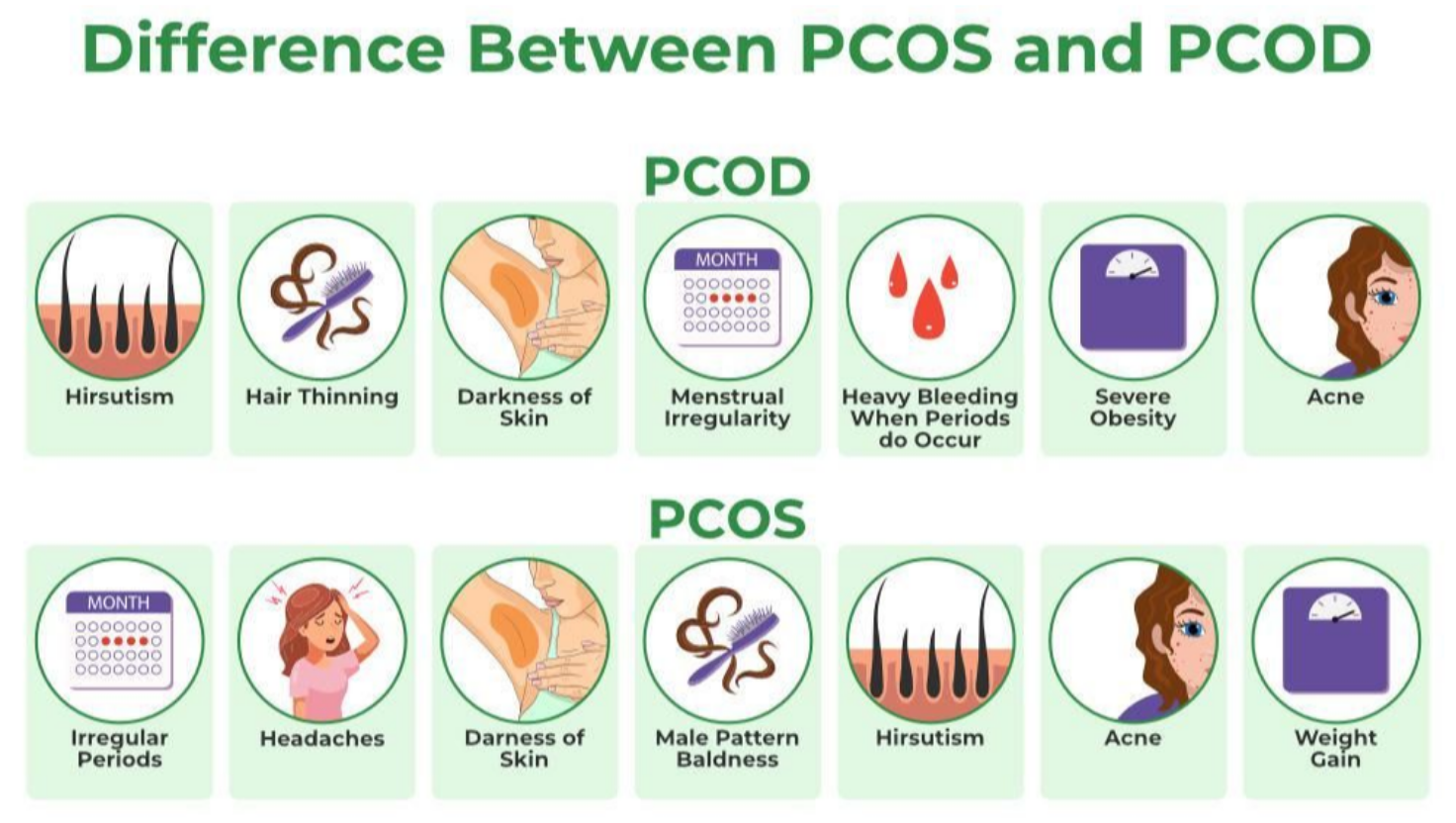
Women with PCOD often experience:
Irregular periods
Weight gain or difficulty losing weight
Acne or oily skin
Hair thinning or hair loss
Difficulty conceiving
The good news? PCOD is relatively common and can often be managed with lifestyle changes, such as healthy eating, regular exercise, and stress management. Medications are sometimes needed, but many women lead normal lives without major treatment.
What is PCOS?
Polycystic Ovary Syndrome (PCOS) is more severe than PCOD and is classified as a metabolic disorder. It affects not only the ovaries but also multiple systems in the body, including insulin production, metabolism, and even mood regulation.
In PCOS, the hormonal imbalance is more intense, and the symptoms are often more noticeable:
Irregular or absent periods
Excess facial or body hair (hirsutism)
Severe acne
Obesity or difficulty losing weight
Increased risk of diabetes, heart disease, and infertility
PCOS is also linked to insulin resistance, meaning your body struggles to use insulin effectively, which can lead to high blood sugar and increase your risk of Type 2 Diabetes.
PCOS vs. PCOD: Key Differences
| Feature | PCOD | PCOS |
|---|---|---|
| Nature | Hormonal disorder | Metabolic disorder |
| Egg Release | Ovaries produce many immature eggs | Ovaries may not release eggs at all |
| Severity | Less severe | More severe |
| Prevalence | More common | Less common |
| Long-Term Risks | Rarely leads to serious health issues | Can lead to diabetes, infertility, etc. |
| Treatment | Lifestyle management often enough | Requires medical intervention |
How Are They Diagnosed?
Both conditions can be diagnosed through:
Ultrasound to check for cysts on the ovaries
Blood tests to measure hormone levels
Medical history and symptom analysis
If you're experiencing irregular periods, sudden weight gain, or other unusual symptoms, it's always best to consult a gynecologist or endocrinologist. Early diagnosis can make a big difference!
So, Which One Do You Have?
That's something only a doctor can tell for sure. Many women don't even know they have PCOD or PCOS until they try to get pregnant or notice persistent health issues.
The most important thing is to listen to your body and seek help when something feels off.
Final Thoughts
While PCOD and PCOS may sound scary, remember that they are manageable. With the right lifestyle, timely medical support, and self-care, you can still live your healthiest, happiest life.
Eat well, move your body, manage stress, and don't shy away from regular check-ups. Your body is talking to you — make sure you're listening.