What Causes Menstruation and How to Handle It Naturally
Menstruation - also called a period - is a natural part of life for most people with a uterus. Yet, it's often surrounded by mystery and sometimes discomfort. Understanding what causes menstruation can help you feel more in tune with your body and better prepared to manage your cycle.
What Exactly Is Menstruation?
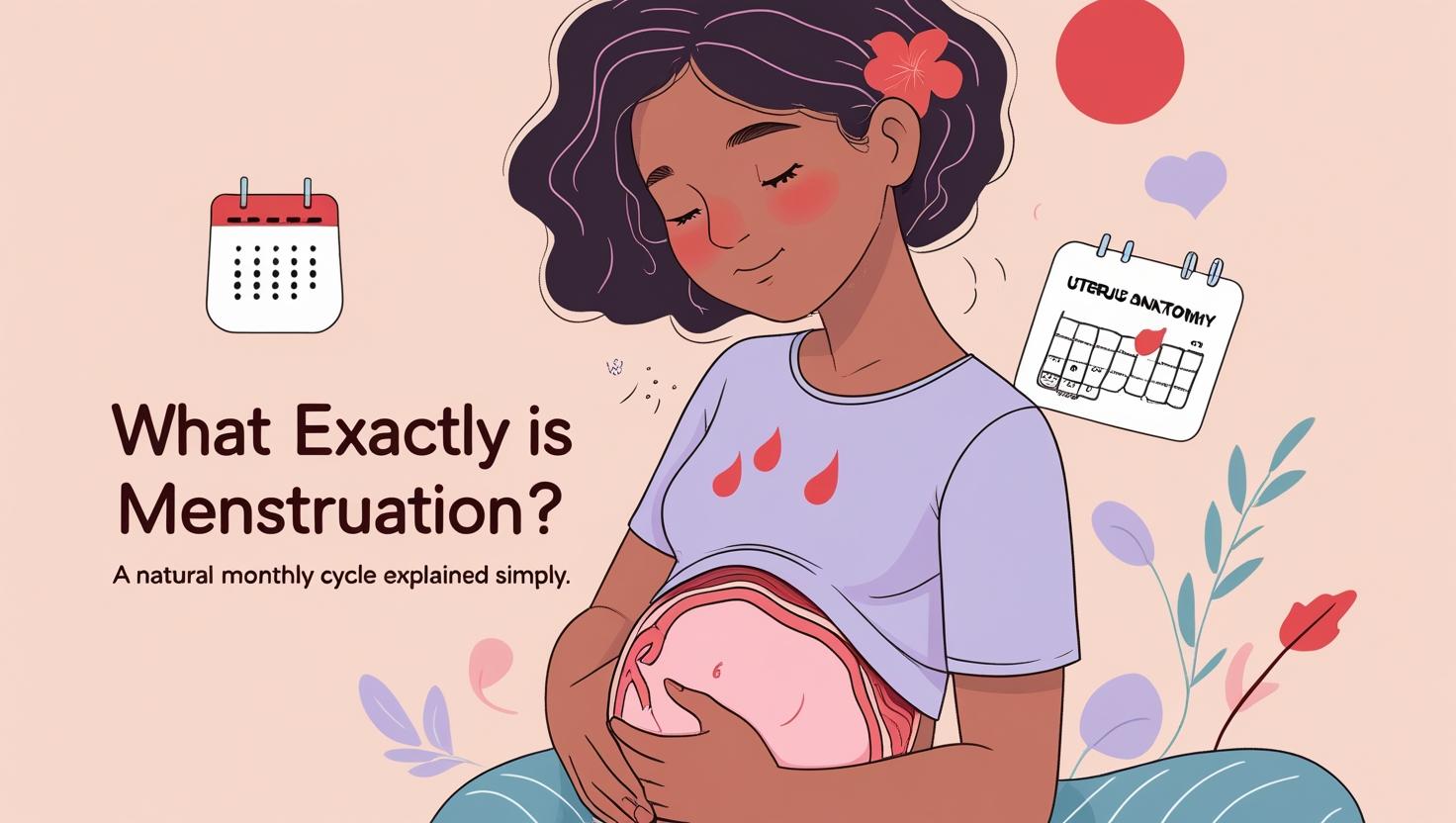
Menstruation is the monthly shedding of the uterine lining. Think of your uterus as a cozy home preparing for a possible pregnancy. Each month, it builds up a soft lining full of blood vessels to welcome a fertilized egg. If pregnancy doesn't happen, the body realizes there's no need for this lining, so it sheds it - and that's your period.
The Role of Hormones
The menstrual cycle is controlled by hormones - chemical messengers that keep your body's systems in sync. The key players are:
-
Estrogen: Builds up the uterine lining.
-
Progesterone: Maintains the lining to support pregnancy.
-
Follicle Stimulating Hormone (FSH): Helps eggs mature in the ovaries.
-
Luteinizing Hormone (LH): Triggers ovulation - when an egg is released.
When there's no fertilized egg after ovulation, estrogen and progesterone levels drop, signaling the uterus to shed its lining, causing menstruation.
Why Does Menstruation Happen?
Menstruation happens because your body is on a monthly cycle trying to create the perfect environment for pregnancy. It's your body's way of resetting and starting fresh for the next cycle.
Common Symptoms
Periods can come with cramps, bloating, mood swings, and fatigue. This is mostly due to hormonal changes and the uterus contracting to shed its lining. Everyone experiences menstruation differently - some barely notice it, while others have more intense symptoms.
How to Manage Menstruation Comfortably
-
Stay Hydrated and Eat Well Drinking plenty of water and eating nutrient-rich foods can reduce bloating and fatigue. Foods rich in iron, like leafy greens and beans, help replenish what you lose during your period.
-
Use Heat Therapy A heating pad or warm bath can ease cramps by relaxing uterine muscles.
-
Exercise Lightly Gentle exercise like walking or yoga boosts blood flow and releases feel-good endorphins.
-
Get Enough Rest Hormonal shifts can make you feel tired, so prioritize sleep during your period.
-
Track Your Cycle Using an app or calendar helps you predict your period and be prepared with supplies and self-care.
When to See a Doctor
If your periods are extremely painful, irregular, or heavy, it's a good idea to talk to a healthcare provider. Conditions like endometriosis or hormonal imbalances may need professional care.
Final Thoughts
Menstruation is a natural, monthly process that keeps your body ready for pregnancy. Though sometimes uncomfortable, understanding why it happens and how to manage symptoms can make it easier to handle. Listening to your body and practicing good self-care can transform your period from a hassle into a manageable part of your health routine.