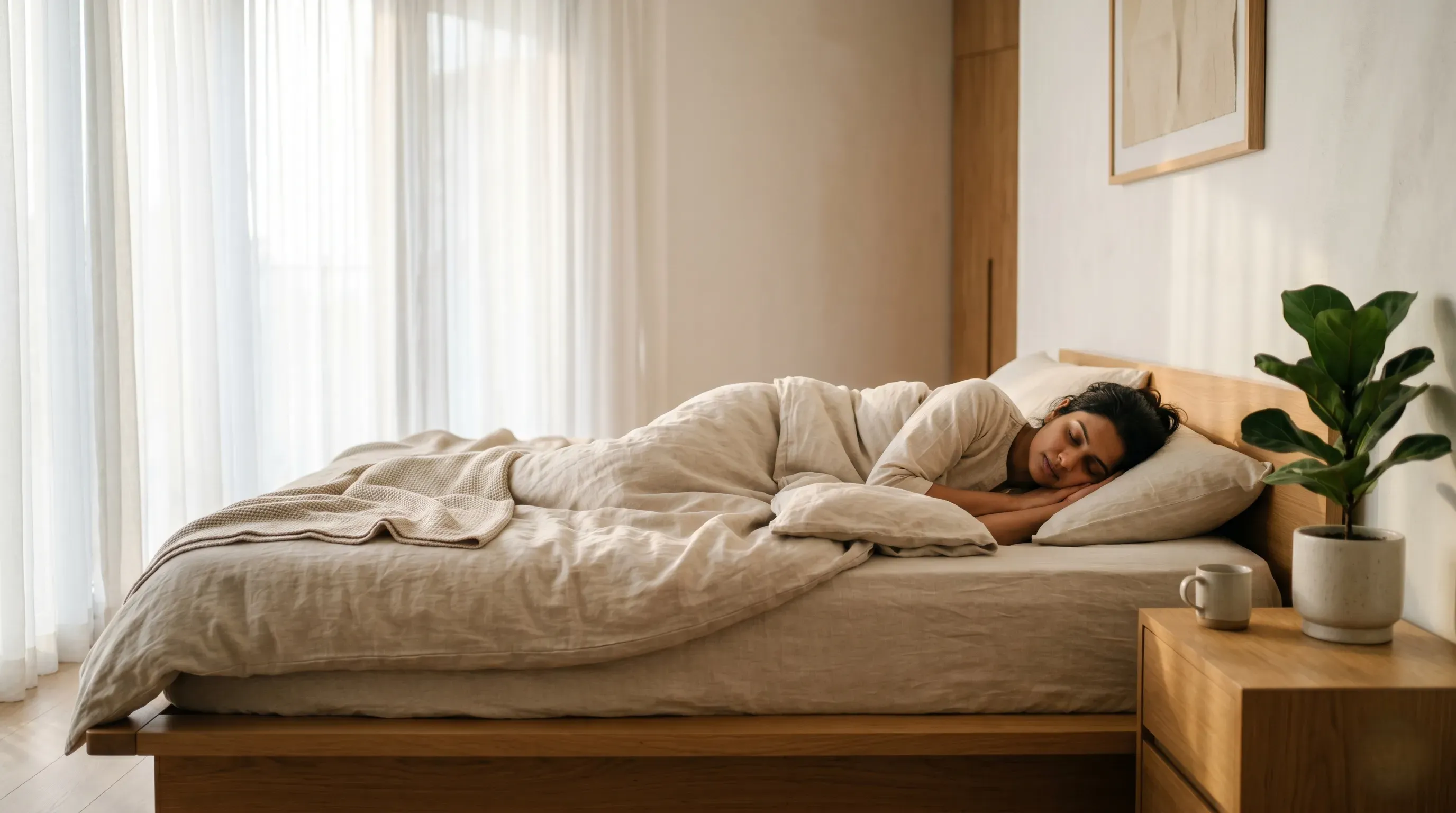
How to Sleep 8hrs in 4hrs: A Busy Woman's Guide to Rest
Do you ever feel like your to-do list is actually a living, breathing monster that grows every time you blink? I know I do. Being a woman in 2026, especially in a city like Mumbai or Bengaluru where the traffic never stops and the noise of the world is always in your ear, is a lot. Between the client meetings, the family WhatsApp groups that never go silent, and trying to find just ten minutes for a decent cup of chai, sleep often feels like a luxury we just can't afford. We all want that magical secret on how to sleep 8hrs in 4hrs because, honestly, who has the time for a full eight?
As someone who thinks about everything way too deeply—from why my favorite lipstick was discontinued to the complex algorithms of our current search engines—I have spent a lot of time looking into this. I'm an SEO expert, so I know what the world is searching for, and "sleep hacks" is always at the top. But sometimes, the best hacks aren't in a new app or a trendy supplement. Sometimes, the answers are hidden in our own ancient roots, specifically in Vastu Shastra. Today, I want to talk about which side should we sleep and how the energy in your room might be the reason you are waking up tired even after a long night.
The Science and Soul of Direction
I was reading a lot of research papers lately—because that's what I do when I can't sleep—and it's fascinating how science is catching up with Vastu. You see, the Earth is basically a giant magnet, right? And our bodies also have a magnetic field. When we talk about which direction is good for sleeping, we are really talking about aligning our internal compass with the Earth’s energy. If you're fighting the planet's magnetic pull all night, no wonder you wake up feeling like you've been in a wrestling match.
My mother always used to tell me, "Don't put your head to the North, beta!" I used to think it was just another superstition, like not cutting nails at night. But as I dove deeper into which direction to sleep as per vastu, I realized there is a heavy logic behind it. When your head points North, the North pole of your body (the head) repels the North pole of the Earth. This causes a subtle pressure in your brain. For us busy women, this translates to headaches, restlessness, and that "heavy head" feeling in the morning.
The South: The Golden Direction for Rest
If you ask any Vastu expert where to keep head while sleeping, they will almost always point you to the South. Why? Because the South is the home of Lord Yama, but don't let that scare you! In Vastu, this direction is associated with heavy, grounding energy. It's the direction of stability. When you sleep with your head to the South, you're aligning your body's magnetic field perfectly. It’s like plugging your phone into the right charger—everything just flows better.
For those of us managing homes and careers, can we sleep in south direction is a question with a resounding "Yes!" In fact, it's the most recommended. It helps in lowering blood pressure and ensures that the blood circulation in your body is smooth. I tried this for a month, and honestly, the "brain fog" I used to have while writing my SEO reports started to lift. It’s not just about which direction is good for sleeping; it’s about how that direction makes you feel when the alarm goes off at 6 AM.
The East: For the Scholars and the Seekers
Now, if you are a student or someone who is constantly learning new skills—like trying to keep up with AI updates in 2026—the East is your best friend. In the which direction to sleep hindu traditions, East is the direction of the rising sun, symbolizing new beginnings and enlightenment. It's great for memory and concentration. If your kids are struggling with their studies, check where to put head while sleeping in their room. Switching them to the East might just be the "brain boost" they need without the extra caffeine.
Why the North is a Big No-No
Let's talk about the one mistake so many people make. I see it in modern apartments all the time. The bed is just placed wherever it fits the decor, often with the head to the North. But why should we not sleep in north direction? Beyond the magnetic repulsion I mentioned, Hindu tradition says this is the direction the soul takes when it leaves the body. It’s for the dead, not for the living who have a 9 AM meeting.
When you sleep facing North, your sleep is never truly deep. You might be in bed for eight hours, but your brain is essentially "on guard" all night. This is why people ask, is north direction good for sleeping? The answer is a strict no. It can lead to long-term neurological issues and chronic fatigue. If you're wondering which direction should we not sleep, North is the top of that list. If your bed is fixed and you can't move it, at least try to use a heavy rug or Vastu crystals to neutralize the energy, though moving the bed is always better.
The West: The Middle Ground
Then we have the West. I call this the "Business Direction." While it’s not as preferred as South or East, can we sleep in west direction? Yes, you can. It’s considered a neutral direction. Some say it’s actually good for people looking for fame and success in their professional life. However, it can sometimes lead to very vivid dreams or even nightmares for some people. If you're a "deep thinker" like me, the West might keep your brain a bit too active at night. It’s all about which side to sleep direction works for your personal energy.
Summary of Directions as per Vastu
- South: The absolute best for deep, restorative sleep and health.
- East: Excellent for students, teachers, and anyone needing a memory boost.
- West: A neutral choice, often associated with professional success but can cause active dreaming.
- North: To be avoided at all costs to prevent energy drain and health issues.
The "Side" Story: Left vs. Right
Once you've figured out where to keep head while sleeping, the next question is which side should we sleep on? This is where Ayurveda and Vastu meet. Most experts suggest sleeping on your left side. Why? Because our stomach is on the left, and sleeping on this side helps with digestion. For us women who often deal with bloating or "stress-eating" during late-night work sessions, this is a game-changer.
Sleeping on the left side also helps the heart pump blood more easily. It reduces the pressure on the vena cava, which is the body's largest vein. You can find more about the clinical benefits of side sleeping on sites like Sleep Foundation. It’s funny how these small adjustments—knowing which facing is good for sleeping and which side to lie on—can make a bigger difference than a 10-step nighttime skincare routine (though I still do that too!).
Practical Vastu Tips for Your Bedroom
It’s not just about the compass; it’s about the environment. As an SEO expert, I know that "user experience" is everything. Your bedroom is the "UI" of your life. If it’s cluttered, your mind will be cluttered. Here are a few more things I've learned about which direction to sleep as per vastu and bedroom harmony:
- Mirror Placement: Never have a mirror directly opposite your bed. It’s said to reflect your energy back at you and disturb your rest. If you have one, cover it with a cloth at night.
- Electronic Detox: In 2026, we are surrounded by screens. But try to keep your phone at least three feet away from your head. The electromagnetic interference is real, sisters\!
- Under-Bed Clutter: Don't store old suitcases or "junk" under your bed. It blocks the flow of energy. A clear space under the bed means a clear mind.
- Colors Matter: Opt for soothing pastels or earthy tones. Avoid bright reds or dark blacks in the bedroom, as they can over-stimulate your senses.
I also found a very interesting piece on the Healthline guide to sleeping positions that explains how your posture affects your spinal health. Combining this with Vastu knowledge really gives you a 360-degree approach to wellness.
Closing Thoughts from a Deep Thinker
At the end of the day, we are all just trying to do our best. We want to be great mothers, daughters, wives, and professionals. But you cannot pour from an empty cup. Figuring out which direction is good for sleeping isn't about being "woo-woo" or superstitious. It's about respecting the natural laws of the world we live in. We spend one-third of our lives in bed—shouldn't that time be as efficient and healing as possible?
So, tonight, take a look at your bedroom. Grab a compass app on your phone (we all have them\!). Check where to put head while sleeping. If you find you've been pointing North all this time, try shifting your pillows to the South or East. It might feel a bit strange at first, but give it a week. You might just find that you don't need to know how to sleep 8hrs in 4hrs because the four or five hours you *do* get are so deep and nourishing that you wake up ready to conquer the world.
Remember, your rest is your revolution. Sleep well, live better!