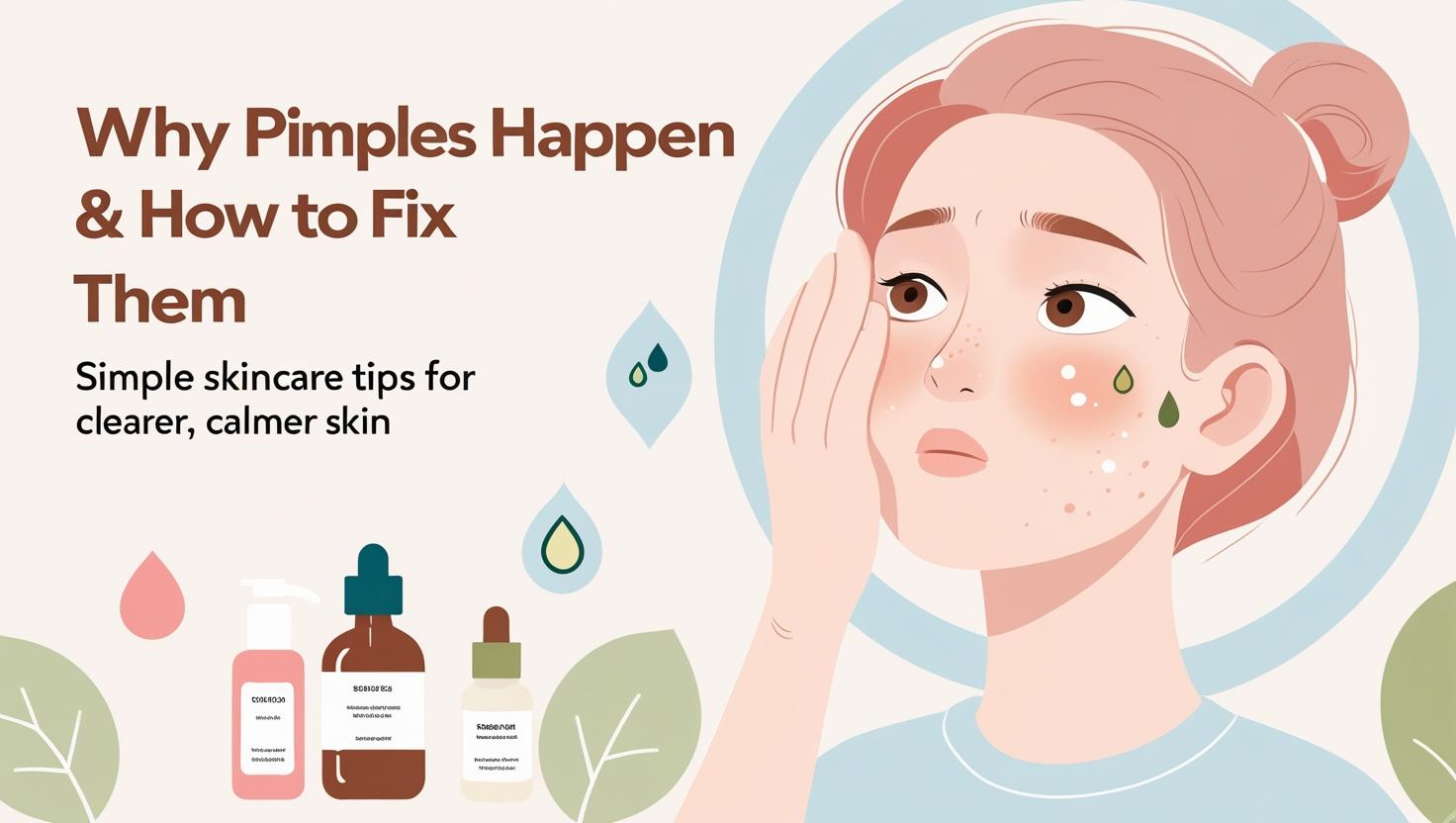
Why Pimples Happen and How to Deal With Them
Pimples - almost everyone has dealt with them at some point in life. Whether it's a surprise breakout before a big event or a constant battle with acne, these tiny skin bumps can have a big impact on our confidence. But what really causes pimples? And more importantly, how can we manage and prevent them?
Let's break it down in a simple, no-nonsense way.
What Exactly Is a Pimple?
A pimple is a small inflammation on the skin caused by a clogged pore. Our skin has tiny openings called pores that release oil (sebum) and sweat. These pores can get blocked by excess oil, dead skin cells, dirt, or bacteria. When this happens, the buildup triggers an immune response, resulting in redness, swelling, and sometimes pus - a classic pimple.
The #1 Reason: Clogged Pores from Excess Oil
The main culprit behind pimples is excess oil production. When your skin produces too much sebum, it mixes with dead skin and clogs the pores. This warm, oily environment becomes a perfect breeding ground for acne-causing bacteria, especially Cutibacterium acnes. As your body tries to fight off the bacteria, inflammation occurs - and that's when the pimple appears.
Hormonal Changes: A Major Trigger
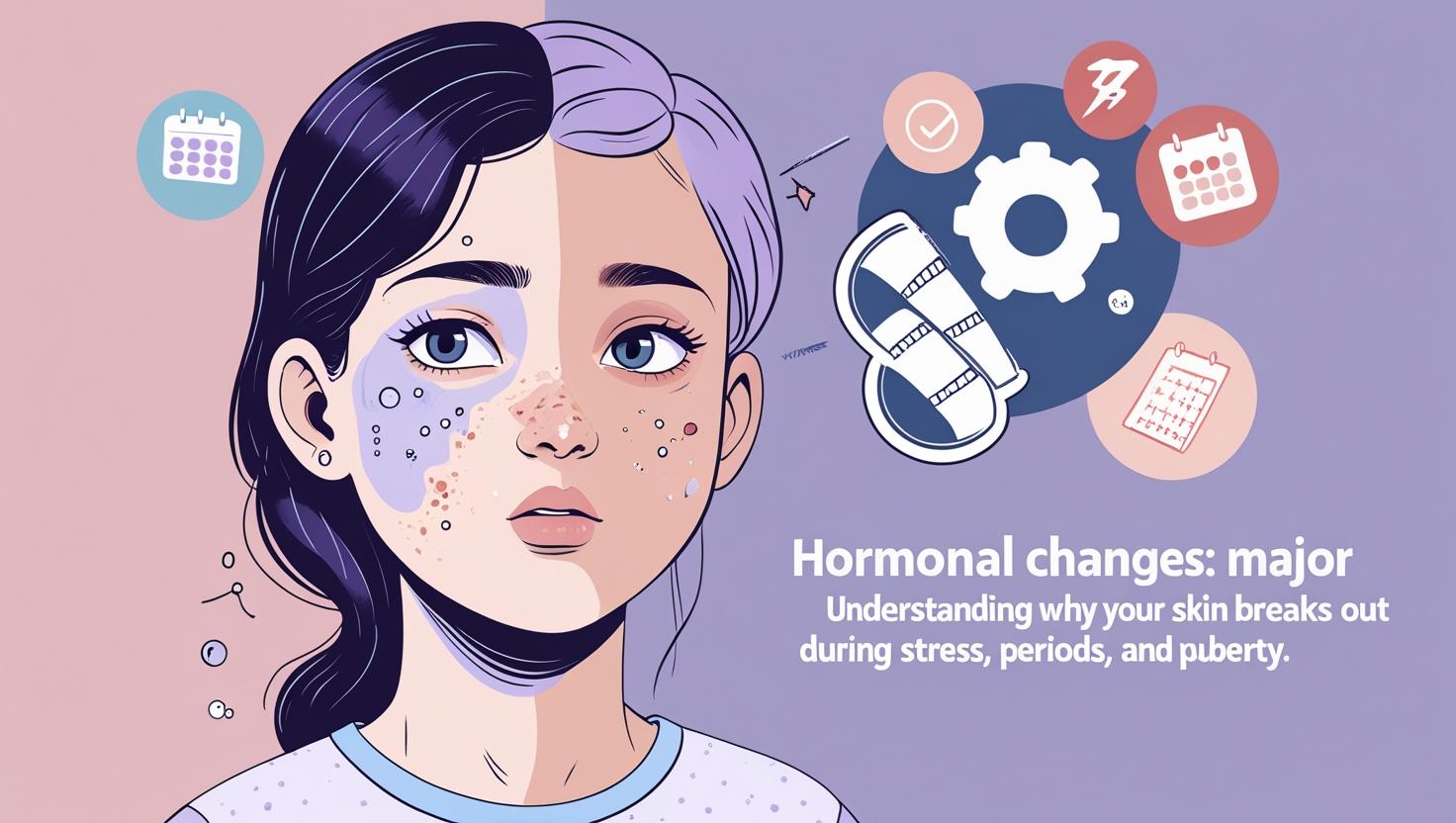
Hormones, particularly androgens, are a big factor in acne. They tell the oil glands to ramp up production, especially during:
Puberty
Menstrual cycles
Pregnancy
Times of high stress
That's why teens often get acne and why adults can still deal with it during certain periods of life. Stress hormones like cortisol can also contribute by increasing oil production and inflammation.
Other Contributing Factors 
While excess oil and hormones are the root causes, a few habits and external factors can make things worse:
Touching your face frequently
Sleeping on dirty pillowcases
Not removing makeup before bed
Using the wrong skincare products
Poor diet
Not drinking enough water
Simple, Effective Solutions
Here are some tried-and-true tips to help keep your skin clear:
1. Cleanse Your Face Twice a Day
Use a gentle, non-stripping cleanser in the morning and at night. Don't overdo it - your skin needs balance.
2. Use Targeted Ingredients
Look for:
Salicylic acid - unclogs pores
Benzoyl peroxide - kills bacteria
Niacinamide - calms inflammation
Retinoids - speeds up skin turnover
Start slowly to avoid irritation.
3. Don't Skip Moisturizer
Yes, even oily skin needs moisture! Choose a lightweight, oil-free formula that hydrates without clogging.
4. Avoid Popping Pimples
Squeezing can cause scarring and infection. Use a spot treatment instead and let it heal.
5. Protect Your Skin from the Sun
Use non-comedogenic sunscreen daily - yes, even when it's cloudy.
6. Eat Skin-Friendly Foods
Focus on fresh veggies, fruits, lean proteins, and healthy fats. Drink water and limit sugar and dairy if they seem to trigger breakouts.
7. Change Pillowcases and Towels Often
Keep them clean - your face spends hours on that pillow every night!
8. Keep Hair Products Off Your Face
Hair sprays and oils can clog pores near the forehead. Wash your face after applying them or use a headband.
When to See a Dermatologist
If over-the-counter treatments don't help or if your acne is severe (cystic or painful), it's time to see a professional. Dermatologists can offer prescription treatments like topical retinoids, antibiotics, or hormonal therapy tailored to your skin type.
Final Thoughts
Pimples are frustrating, but they're also normal. The good news? With a little patience, a consistent routine, and some self-care, you can absolutely take control of your skin.
Remember: Your skin doesn't define your worth - but feeling good in it is worth the effort.