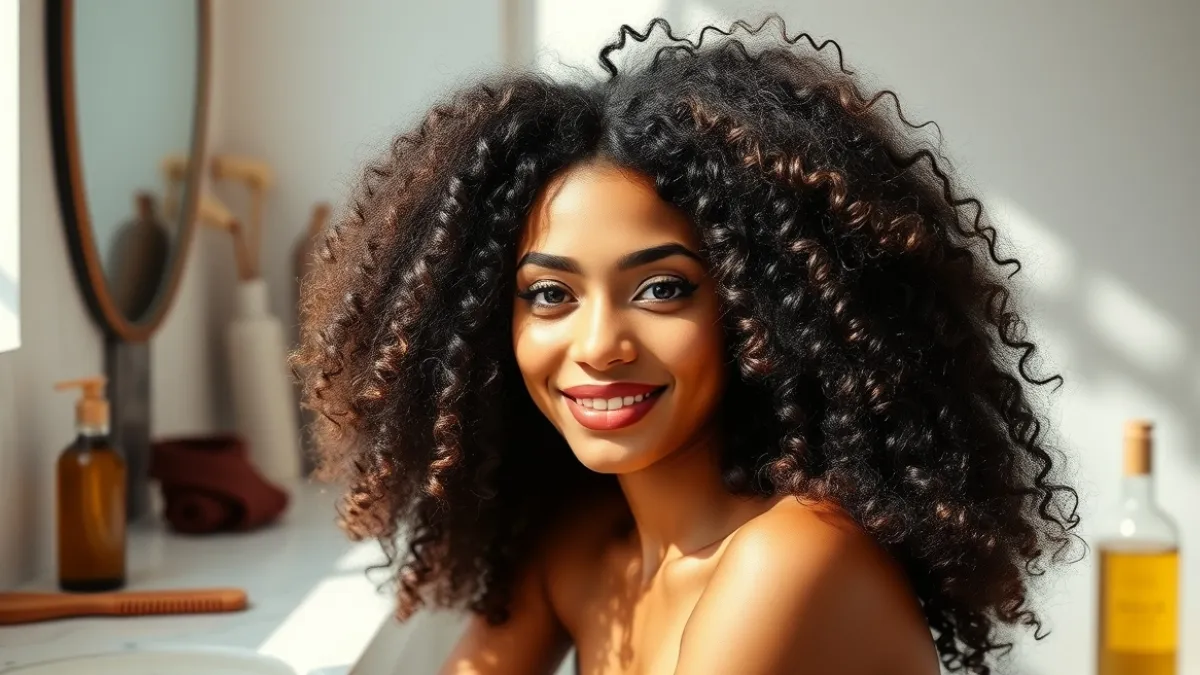
The Essential Curly Girl Method Steps for Gorgeous Indian Hair
If you have ever spent a humid afternoon in Mumbai or a dry winter morning in Delhi wondering why your hair looks more like a frizzy cloud than the defined waves you see in Bollywood movies, you are not alone. For decades, many of us in India were taught to treat our hair with heavy oils and harsh soaps, or worse, to blow-dry and straighten it into submission. But what if I told you that those unruly "frizzy" strands are actually beautiful curls waiting to be discovered? As an SEO expert in 2026, I have seen trends come and go, but the Curly Girl Method remains the gold standard for textured hair. Let’s dive deep into the specific curly girl method steps tailored for our unique Indian hair needs.
The Curly Girl Method (CGM) is more than just a routine; it is a philosophy of hydration and respect for your natural texture. Our Indian hair is often thick, high in density, and prone to dryness due to our varied climate and hard water. By following these steps, you are essentially breaking up with the chemicals that sabotage your curls and embracing a life of bounce and shine.
Step 1: The Final Reset Wash
Before you officially start your journey, you need to clear the slate. Most traditional shampoos and conditioners contain silicones—ingredients that make hair feel smooth but actually coat the shaft, preventing moisture from getting in. To remove this buildup, you must do one last wash with a "clarifying" shampoo that contains sulfates but NO silicones. This ensures your hair is "squeaky clean" and ready to absorb the good stuff.
Step 2: Gentle Cleansing (Low-Poo or Co-Wash)
After your reset, put away the harsh sulfates forever. For the regular curly girl method steps, you have two choices for cleansing:
\Step 3: Conditioning and Detangling
Conditioning is the heart of this method. Apply a generous amount of silicone-free conditioner from the mid-lengths to the ends. Your hair should feel "slimy" or like seaweed. This is the only time you should ever detangle your hair! Use your fingers or a wide-toothed comb to gently work through knots. Never, ever brush your hair when it is dry, as this is the primary cause of the "frizzy triangle" look many of us struggle with.
Step 4: The "Squish to Condish" Technique
This is a game-changer for hydration. While your hair is saturated with conditioner and water, cup your hands and "squish" your hair upwards toward the scalp. You should hear a squelching sound. This action forces moisture into the hair cuticle. You can rinse out most of the conditioner, but leaving a tiny bit in (especially if your hair is very dry) can act as a base for your styling products.
Step 5: Applying Styling Products on Soaking Wet Hair
The secret to definition is applying your products while you are still in the shower. Do not reach for your towel yet! On soaking wet hair, apply your curl cream or leave-in conditioner using the "praying hands" method—smoothing the product down the hair strands. Follow this immediately with a gel to create a "cast" that locks the moisture in and keeps frizz at bay.
Step 6: Plopping for Definition
Instead of rubbing your hair with a rough cotton towel, use an old cotton T-shirt or a microfiber towel. "Plopping" involves laying the T-shirt on a flat surface, flipping your hair onto it, and tying it like a turban. This allows your curls to set in their natural shape without being weighed down by water. Let it sit for 10–20 minutes while you finish your skincare or makeup routine.
Step 7: Drying—Air Dry or Diffuse
Patience is key here. You can let your hair air-dry for the most natural look, or use a hair dryer with a diffuser attachment on a low-heat, low-speed setting. The diffuser mimics the natural drying process while adding volume at the roots. Crucially, do not touch your hair while it is drying! Touching wet curls is a direct ticket to Frizztown.
Step 8: SOTC (Scrunch Out the Crunch)
Once your hair is 100% dry, it might feel a bit stiff or "crunchy" because of the gel. This is a good thing! It means the cast did its job. Simply use your hands (you can even use a drop of light oil like jojoba or almond oil) and gently scrunch your curls upwards. The crunch will disappear, leaving you with soft, bouncy, and incredibly defined ringlets.
Protecting Your Curls Overnight
Since we only wash our hair 1–2 times a week, maintenance is vital. To keep your curls from flattening while you sleep, try the "pineapple" method: gather your hair into a very high, loose ponytail at the top of your head using a silk or satin scrunchie. Sleeping on a silk pillowcase also reduces friction and prevents breakage. For more technical details on hair health, you can visit the American Academy of Dermatology for professional tips on managing textured hair.
Why CGM Works for the Indian Lifestyle
In India, we often deal with high humidity and hard water minerals. By focusing on these curly girl method steps, you are building a protective barrier. Using a microfiber towel and avoiding heat styling tools significantly reduces the damage caused by our environmental stressors. If you're looking for community-approved product recommendations for the Indian market, check out resources like CurlsBot to verify if your favorite local brands are truly CGM-friendly.
Conclusion
Transitioning to the Curly Girl Method is a journey of self-love. Your hair might go through a "transition phase" where it feels greasy or extra frizzy as it adjusts to the lack of sulfates, but stick with it. Within a few weeks, the health of your hair will transform. You’ll find that those "stubborn" waves are actually beautiful, soft curls that tell the story of your heritage. So, grab your T-shirt, ditch the brush, and start your journey toward gorgeous Indian curls today!