How to Master Finding a Hobby as an Adult: A Complete Guide
As children, our days were filled with play, exploration, and discovery. However, as we transition into maturity, the weight of responsibilities often pushes leisure to the sidelines. Between career demands, family obligations, and the daily grind, many find themselves asking how to begin finding a hobby as an adult. Reclaiming your "playtime" is not just about filling hours; it is vital for mental health, stress reduction, and personal fulfillment. This guide will walk you through the steps to rediscover your passions and integrate joy back into your schedule.
Why Finding a Hobby as an Adult Matters
The transition to adulthood often replaces "want to do" with "have to do." Without a creative or physical outlet, it is easy to feel stretched thin or stuck in a monotonous loop. Engaging in a hobby provides a necessary cognitive break from work. Research suggests that leisure activities can lower blood pressure, reduce cortisol levels, and even improve job performance by fostering a creative mindset. Whether it is the meditative focus of a jigsaw puzzle or the camaraderie of a local sports league, finding a hobby as an adult is a profound act of self-care.
Step 1: Reflect on Your Past and Present Interests
If you are unsure where to start, look back before looking forward. Often, the things that captivated us as children still hold the key to our adult happiness. Ask yourself what activities made you lose track of time when you were younger. Did you love building models, drawing, or playing a musical instrument? Reconnecting with these dormant passions is a great entry point.
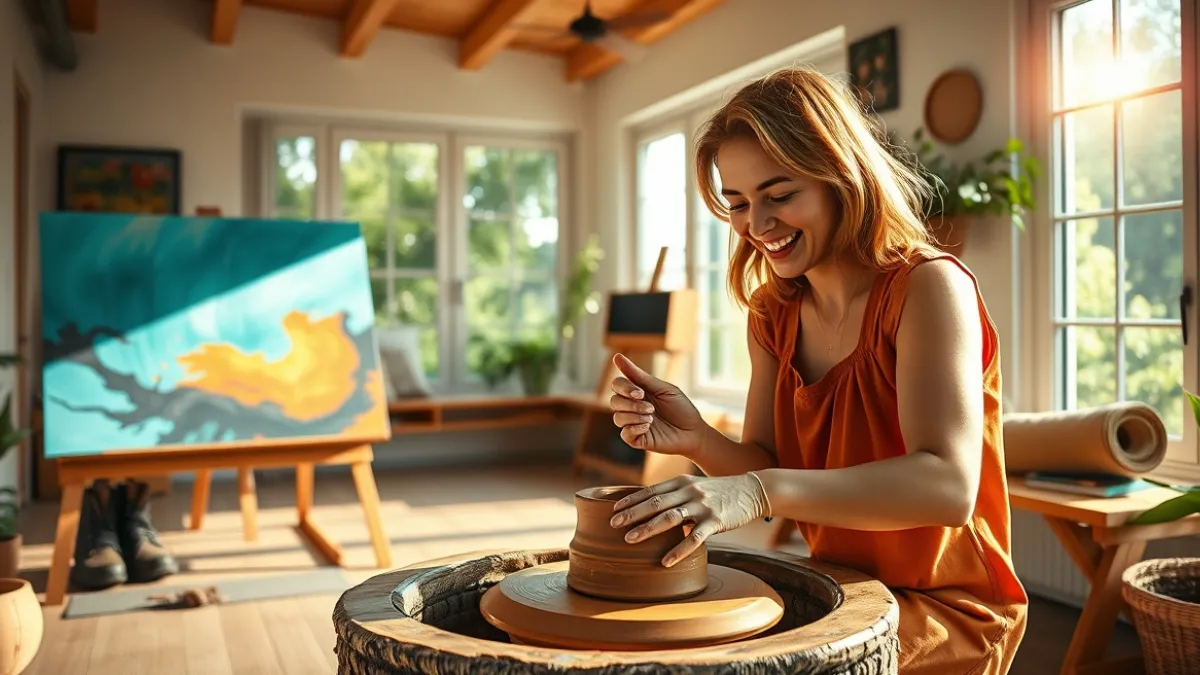
Additionally, consider your current lifestyle. If your job involves staring at a screen all day, you might find more satisfaction in a tactile hobby like pottery or gardening. Conversely, if you have a physically demanding job, an intellectual pursuit like learning a new language or joining a book club might be the perfect balance. Resources like Psychology Today often highlight how self-reflection can lead to more meaningful leisure choices.
Step 2: Explore Different Categories of Activities
Finding a hobby as an adult is easier when you categorize your options. Most hobbies fall into a few primary buckets:
- Creative Hobbies: These include painting, writing, photography, or DIY crafts. They allow for self-expression and provide a sense of accomplishment through creation.
- Physical Hobbies: Activities like hiking, yoga, cycling, or team sports improve physical health while boosting mood through endorphins.
- Intellectual Hobbies: Reading, puzzles, chess, or coding stimulate the brain and encourage lifelong learning.
- Social Hobbies: Joining a community choir, a volunteer organization, or a board game group can help combat the isolation often felt in adulthood.
Step 3: Start Small and Ditch Perfectionism
One of the biggest hurdles in finding a hobby as an adult is the fear of being "bad" at something. We are often conditioned to believe that if a skill isn't productive or profitable, it isn't worth doing. To master the art of the hobby, you must give yourself permission to be a beginner. You don't need to be a professional chef to enjoy a cooking class, nor do you need to be an athlete to enjoy a casual game of pickleball.
Start with low-stakes experimentation. Instead of buying a thousand dollars' worth of equipment, take an introductory workshop at a local community center or borrow supplies from a friend. Websites like Meetup are excellent for finding local groups where you can try new things without a long-term commitment.
Sustainable Integration into Your Life
Consistency is what turns a one-time activity into a true hobby. Consider your "season of life." If you are a parent with young children, a hobby you can do at home, like knitting or reading, might be more sustainable than one that requires traveling to a gym. Be the gatekeeper of your calendar and intentionally carve out time—even just 30 minutes a week—to devote to your chosen pursuit.
Conclusion: The Journey of Discovery
Finding a hobby as an adult is a journey of trial and error. You might try five different things before one finally "clicks," and that is perfectly okay. The goal isn't to add another task to your to-do list, but to find an outlet that brings you genuine joy and a sense of peace. By looking at your interests with curiosity and letting go of the pressure to be perfect, you can enrich your adult life with the playfulness and passion it deserves.