Essential Parenting Tips for Your Active 5 Years Baby
There is a specific kind of magic that happens when your little one turns five. As a mother who tends to overthink every milestone and an SEO expert navigating the digital landscape of 2026, I have spent countless hours reflecting on this transition. Your 5 years baby is standing on a beautiful bridge. Behind them are the toddler years of wobbling and basic needs; ahead of them is the structured world of primary school and independent thought. In the Indian context, this is often the year of 'Big School,' where our expectations as parents start to shift from simple survival to nurturing a capable, empathetic human being.
Raising an active 5 years baby requires a delicate balance of providing enough space for their explosive energy while maintaining the gentle boundaries that keep them feeling secure. It is about understanding that their 'hyperactivity' is actually their primary way of learning about the world. They aren't just running; they are testing gravity. They aren't just talking back; they are testing the power of language. Let us dive deep into the essential strategies to navigate this vibrant stage with grace and wisdom.
Understanding the Physicality of a 5 Years Baby
By age five, you will notice your child's body becoming leaner and stronger. The 'toddler tummy' starts to flatten, and their coordination reaches a point where they can suddenly do things that leave you breathless. This is the age of mastery. They want to show off every new skill, often punctuated by shouts of "Look at me, Mamma!"
Encouraging Gross Motor Mastery
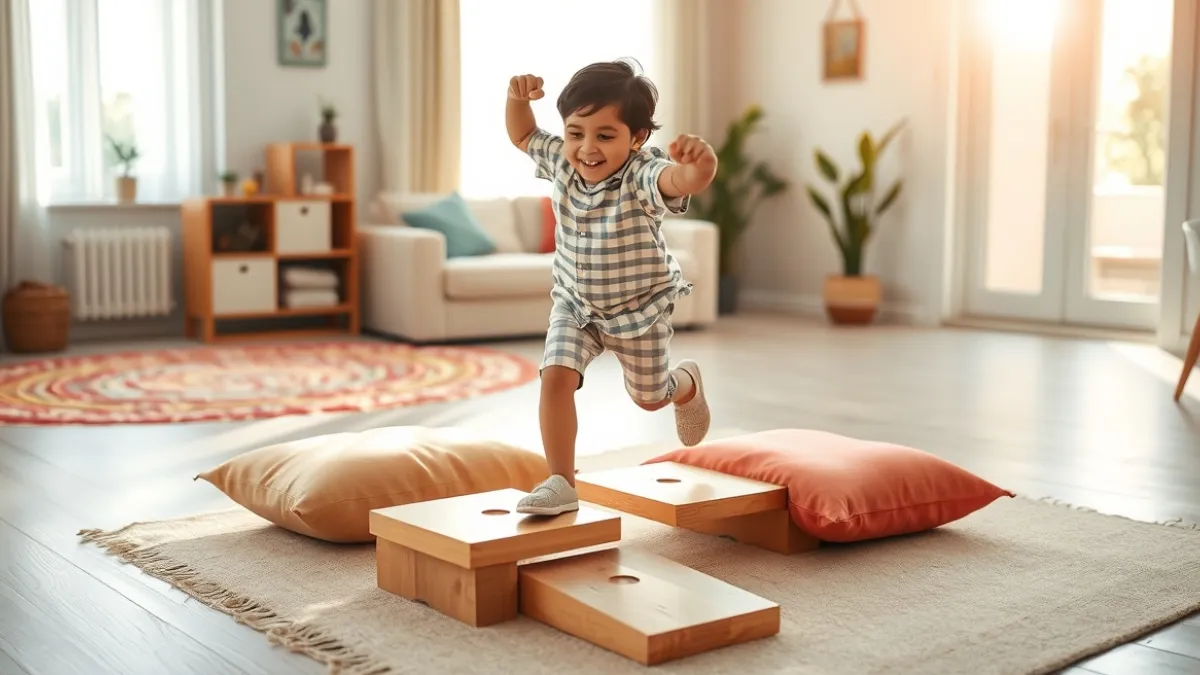
An active 5 years baby needs at least 60 minutes of physical activity every day, but in our busy Indian cities, finding safe spaces can be a challenge. If you cannot get to a park daily, bring the movement indoors. Create simple obstacle courses using sofa cushions and pillows. Encourage them to hop on one foot, skip across the hallway, or even learn a basic Bollywood dance routine together. Physical activity is not just about health; it helps them learn social skills like taking turns and playing fairly when they engage in group games like 'Duck, Duck, Goose' or 'Simon Says.'
Developing Fine Motor Precision
While gross motor skills are flashy, fine motor skills are what build independence. Encourage your 5 years baby to handle their own buttons and zippers. In the kitchen, involve them in simple tasks like matching socks from the laundry pile or clearing their own plate after a meal. This age is also perfect for introducing more complex crafts. Let them practice with safety scissors, draw realistic people with at least six body parts, and start printing some letters of their name. According to the CDC, these physical checkpoints are crucial indicators of healthy development.
Nurturing the Deeply Curious Mind
The cognitive leaps a child makes at five are astounding. Their brain is a sponge, moving just as fast as their feet. They are starting to understand abstract concepts like time, money, and the difference between what is real and what is make-believe. This is the year they stop just asking "What?" and start asking "Why?" and "How?"
Building a Vocabulary of Time and Sequence
A 5 years baby is beginning to grasp the flow of life. Use words like "yesterday," "tomorrow," "morning," and "night" regularly in conversation. Tell them stories that have at least two distinct events—for example, "First, the bird built a nest, and then it laid its eggs." This helps them organize their thoughts and prepares them for the logical requirements of school subjects like Math and Science. Reading together remains the single most important activity you can do. It develops their imagination, improves their sleep patterns, and builds an emotional connection that lasts a lifetime.
Structured vs. Unstructured Play
As an SEO expert, I see how the 'attention economy' tries to grab our kids' focus even at this age. It is vital to distinguish between structured play (like puzzles or team sports) and unstructured play (like make-believe or running around). Both are essential. Unstructured play allows them to build resiliency and problem-solving skills. When they are 'roaring' like a lion or 'galloping' like a horse, they are constructing their own reality and learning to lead. Try to limit screen time to no more than one hour per day of high-quality, educational content to ensure their 'active' nature isn't replaced by passive consumption.
The Emotional Landscape: Presence Over Presents
I often think about a recent study that resonated deeply with me: children don't want more toys; they want our presence. For the working Indian mother, this can bring up a lot of guilt, but it is about the quality of the moments we share. A 5 years baby is becoming more independent, but they still crave a secure 'home base' to return to when they feel overwhelmed.
Managing Big Emotions
Even though they are growing up, five-year-olds can still have 'meltdowns' when they are tired or frustrated. The key is to stay calm. Your calm helps them feel safe. Label their feelings for them: "I can see you are feeling jealous because your friend has that toy." Establishing a 'quiet spot' in the house where they can go to calm down—not as a punishment, but as a tool—teaches them self-regulation. Encourage empathy by asking them how they think a character in a book feels. This foundation of emotional intelligence is what will help them navigate friendships and school social circles.
Independence and Choice
Five is the age of "I can do it myself!" Let them make small decisions, like which clothes to wear or what healthy snack they want for lunch. This builds their confidence. Even if they put their shoes on the wrong feet or spill the milk while pouring, praise their effort. Say, "I love how hard you tried to help," rather than focusing on the mess. As the World Health Organization notes, a supportive environment during these early years is fundamental to long-term mental health.
Indian Traditions and Modern Parenting
In India, we have the beautiful advantage of multi-generational wisdom. Involving your 5 years baby in festivals and family rituals gives them a sense of purpose and belonging. Whether it is helping you make a small kolam at the door or learning the stories of our mythology, these activities ground them in their culture while developing their cognitive skills.
Family Mealtimes and Nutrition
Avoid 'distraction feeding' where the child eats while watching a screen. Instead, make every meal a family moment. This is where they learn mindful eating. Let them discover what foods they genuinely enjoy and teach them to listen to their body's hunger cues. Modeling healthy eating habits ourselves is the best way to ensure they grow up with a positive relationship with food. Involve them in the kitchen; even a 5 years baby can help wash vegetables or stir a cool batter.
Teaching Respect and Values
This is the perfect age to teach respect for elders meaningfully. Explain the 'why' behind our traditions. For instance, tell them why we greet grandparents with respect. At the same time, teach them that their own body is their own, and they have the right to say no to uncomfortable physical contact. This balance of traditional values and modern safety awareness is the hallmark of the empowered 2026 parent.
Conclusion: Growing Together
Raising an active 5 years baby is as much about our growth as it is about theirs. As we guide them through their milestones—counting to ten, writing their name, and making their first real friends—we are also learning to be more patient, more present, and more mindful. Remember, parenting is not about perfection; it is about connection. Your active child isn't 'wild'; they are just full of life. By providing a safe, consistent environment and acknowledging their efforts, you are setting the framework for a stable and bright future. Embrace the questions, the movement, and the beautiful chaos of age five. These are the days they will remember as the foundation of who they are meant to become.