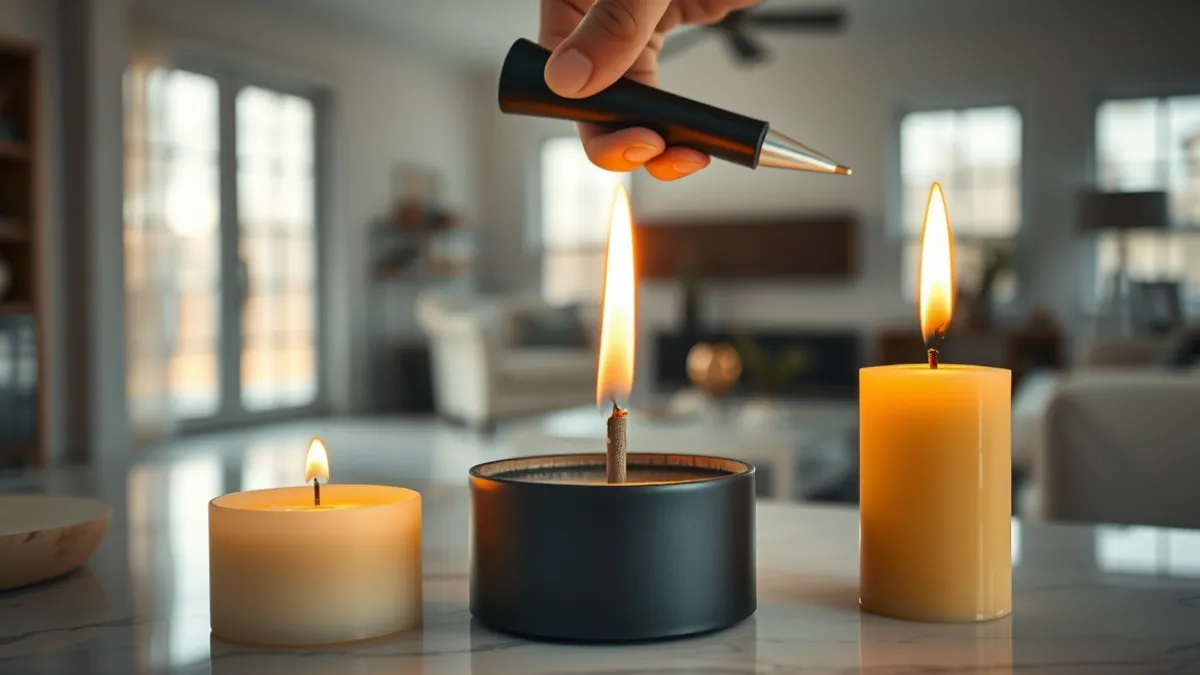
Are Candles Cancer Causing? The Truth About Candle Safety
For many, lighting a candle is the ultimate ritual for relaxation. Whether it is the soft flicker of a flame during a bath or a seasonal scent filling the living room, candles are a staple in modern home decor. However, a growing concern has emerged in health circles: are candles cancer causing? With headlines linking paraffin wax to toxic chemicals and indoor air pollution, it is essential to separate scientific fact from internet alarmism. This guide explores the components of traditional candles, the chemicals they release, and how you can enjoy a cozy ambiance without compromising your long-term health.
Understanding the Components of Your Candle
To answer the question of whether candles are cancer causing, we first have to look at what they are made of. Most mass-produced candles found in major retail stores are made from paraffin wax. Paraffin is a byproduct of petroleum, coal, or shale oil. When these fossil fuels are refined into wax, they can retain trace amounts of chemicals that are released into your home’s air when the candle is lit.
The wick also plays a significant role. While the United States Consumer Product Safety Commission banned the manufacture and sale of lead-cored wicks in 2003, some imported candles or older stock may still contain them. According to the Centers for Disease Control and Prevention (CDC), lead exposure is hazardous at any level, and burning lead-cored wicks can release five times the amount of lead considered dangerous for children.
The Science of Candle Emissions: Benzene and Toluene
When you light a paraffin candle, the combustion process is rarely perfect. This "stressed" burning results in the release of volatile organic compounds (VOCs). Two specific chemicals often cited in the debate over whether candles are cancer causing are benzene and toluene.
- Benzene: A known human carcinogen found in cigarette smoke and car exhaust. Long-term exposure to benzene has been linked to an increased risk of leukemia and other blood-related cancers.
- Toluene: Often used in paint thinners, toluene can affect the central nervous system. While not classified as a human carcinogen, it can cause headaches, dizziness, and respiratory irritation.
Research from institutions like South Carolina State University has indicated that paraffin-based candles can emit these toxins in measurable amounts. However, it is important to note that many industry-sponsored studies, such as those cited by the National Candle Association, argue that the levels of these chemicals are well below the safety thresholds set by the World Health Organization for indoor air quality.
Are Candles Cancer Causing? Evaluating the Risk
The current scientific consensus suggests that for the average person, occasional candle use is unlikely to pose a significant cancer risk. However, the risk factor changes with frequency and environment. If you burn several paraffin candles daily in a small, poorly ventilated room, the cumulative exposure to soot and VOCs increases. Some epidemiological studies have suggested a potential link between heavy candle usage and an increased risk of bladder cancer, as the body processes and eventually excretes these inhaled hydrocarbons through the bladder.
Soot, the black residue often seen on the edges of candle jars, is another concern. Fine particulate matter can travel deep into the lungs, potentially aggravating asthma or causing chronic respiratory issues. While soot itself is a byproduct of incomplete combustion found in many household activities, including cooking, the chemicals attached to paraffin soot are what lead to the question: are candles cancer causing?
How to Choose Non-Toxic Alternatives
If you are worried about indoor air quality, you do not have to give up candles entirely. Making the switch to natural wax bases can significantly reduce your exposure to potentially harmful pollutants. Here is what to look for when shopping for clean-burning alternatives:
1. Opt for Natural Waxes
Vegetable-based waxes like 100% soy, beeswax, and coconut wax are superior choices. Unlike paraffin, these waxes are renewable and biodegradable. A 2014 study found that soy candles produce significantly less soot and fewer VOCs than their petroleum-based counterparts.
2. Check the Wick Material
Ensure your candles use wicks made from 100% cotton, paper, or wood. These materials burn cleaner and do not risk releasing heavy metals into the air. Always trim your wicks to 1/4 inch before lighting to minimize smoke and soot production.
3. Be Mindful of Fragrances
The term "fragrance" on a label can be a "black box" for hundreds of undisclosed chemicals, including phthalates. Phthalates are known endocrine disruptors that can affect reproductive health. Look for brands that use pure essential oils or phthalate-free fragrance oils and are transparent about their ingredient lists.
Tips for Safer Candle Burning
To minimize any potential health risks, follow these best practices for candle safety:
- Ventilation: Always burn candles in a well-ventilated area. Avoid small, enclosed spaces where fumes can accumulate.
- Limit Burn Time: Do not burn candles for more than 3-4 hours at a time to prevent excessive soot buildup.
- Use a Snuffer: Instead of blowing out a candle, which releases a cloud of smoke and soot, use a candle snuffer to extinguish the flame.
- Avoid Dyes: Synthetic dyes can release additional toxins when burned. Choose undyed or naturally colored candles whenever possible.
The Bottom Line
So, are candles cancer causing? While the risk from occasional use is minimal, the evidence suggests that traditional paraffin candles do release small amounts of known carcinogens. By being a conscious consumer and choosing 100% natural waxes with lead-free wicks, you can enjoy the "hygge" lifestyle without worrying about the hidden dangers in your air. For more information on maintaining a healthy home environment, visit Green America to learn about non-toxic living.